
The Film
Watch the documentary
Highlights
Quick takes
Dr Cameron Murray(PhD)

Antonia Mercorella
Honourable Sam O’Connor MP
Natalie Rayment
Caroline Stalker
John Collins AM
Meet the contributors
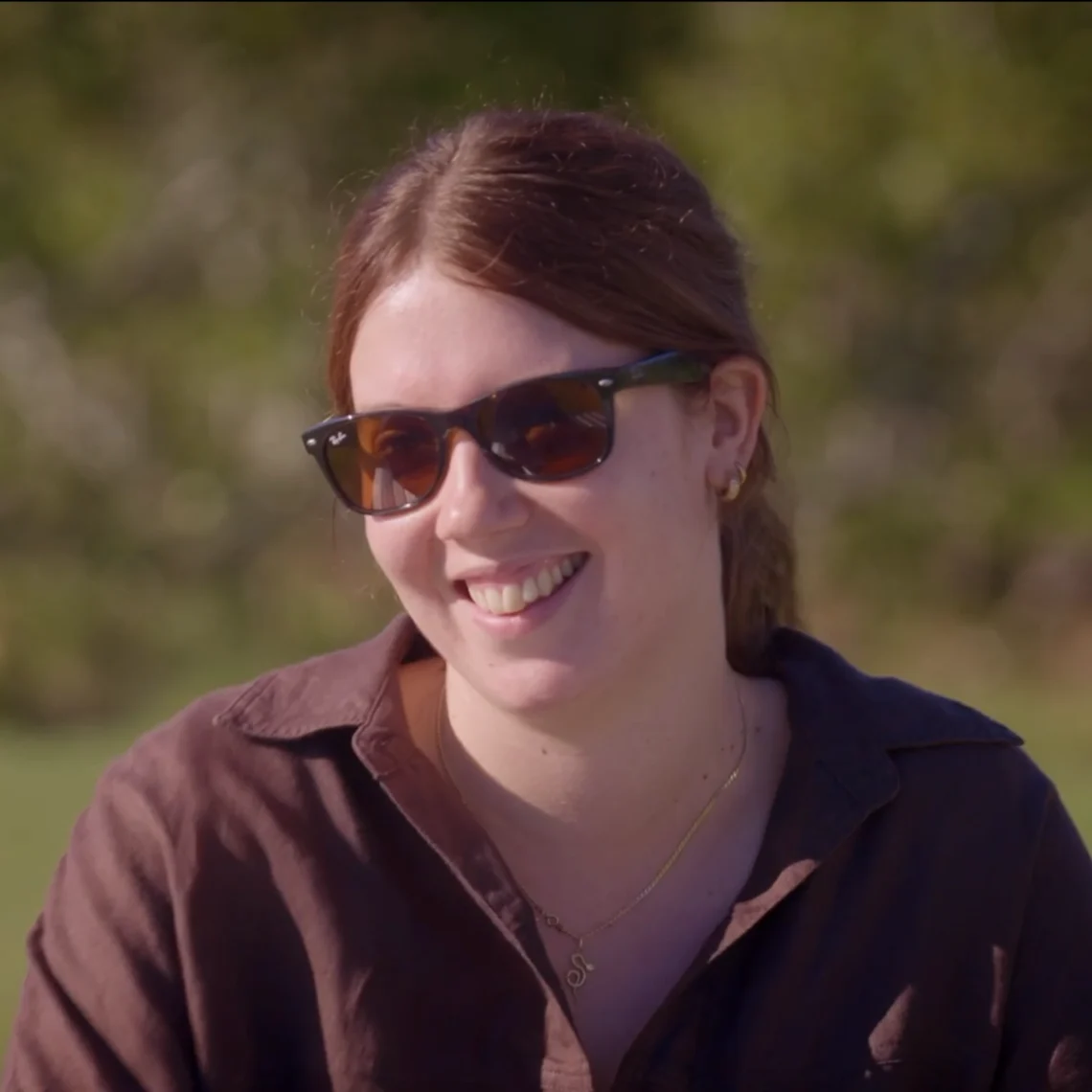
Kate Murdock
Kate Murdock (@itskatematee) is an Australian content creator, actor, entrepreneur and an aspiring first home owner, with a community of more than 1.2 million followers on TikTok. She creates fast paced, relatable comedy content that turns everyday moments into stories people love to share.
Join Kate as she embarks on a journey to uncover what the Great Australian Dream once meant, what changed it, and what a reimagined version could look like today.
Through her eyes we dive into how attitudes toward housing and home ownership are shifting, and how new homes, neighbourhoods, and communities could help shape a Reimagined Great Australian Dream.
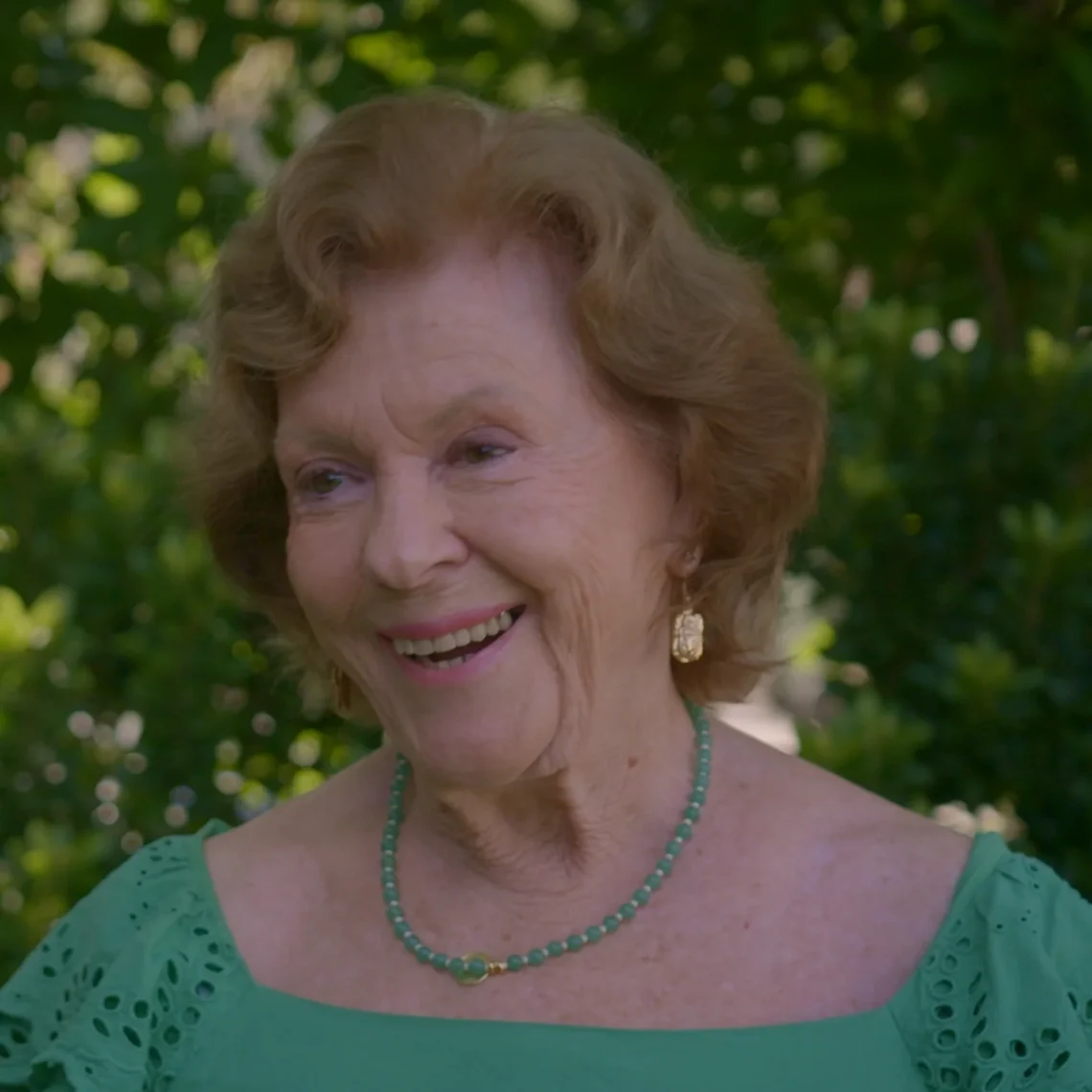
Sallyanne Atkinson AO
Sallyanne Atkinson AO served as Brisbane’s Lord Mayor from 1985 to 1991, becoming the city’s first female leader. Championing urban renewal, global investment and cultural growth, Sallyanne helped transform Brisbane from a quiet river town into a more confident, connected and outward‑looking city.
“Once upon a time it was all about a house in the suburbs, perhaps with a fence and ultimately with a pool in the backyard…. People stopped thinking about a house as a place to live. They started thinking of a house as a place to invest… we need to look at things in a different way.”

Matt Gross
Matt Gross is a property economist, demographer and sociologist, known for his deep analysis of Australia’s housing markets and population trends. He examines the economic pressures, migration patterns and demographic shifts reshaping demand and affordability.
“It’s getting really tough for first home buyers. If you earn $90,000 a year, it would mean that your average house price now of over a million dollars is going to take you the best part of 13 years to save. I know the great Australian dream was the big house on an 800 square meter lot, but realistically, it’s going to be a challenge for most first home buyers. However, there are so many more options in the housing market than just a house.”
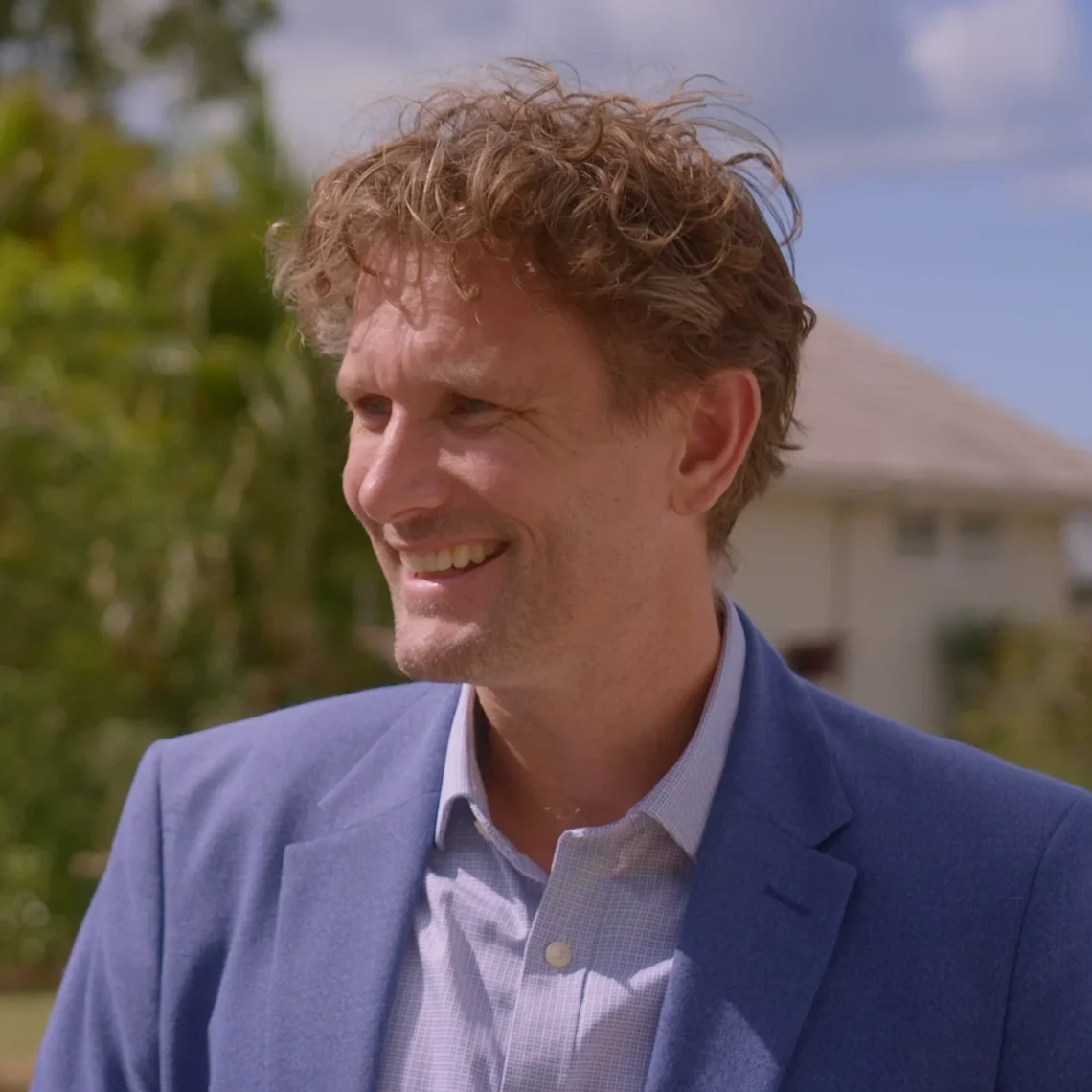
Dr Cameron Murray(PhD)
Dr Cameron Murray is an economist, researcher and author of The Great Housing Hijack, whose work examines housing markets, urban development and the long arc of the Great Australian Dream. He is a leading voice on how planning systems, land policy and political incentives shape who gets to own a home. His research traces the Dream’s evolution from post‑war suburbia to today’s affordability crisis, challenging the structural forces locking younger generations out.
“The Great Australian Dream, it’s one of those phrases we all impose our own dreams onto, but actually, historically, it was first recorded in the 1950s when we had a massive wave of new home ownership after the war. So it’s not a long history, it’s actually a modern invention since the 1950s with people in the cities being able to become homeowners and break free from that rental cycle.”
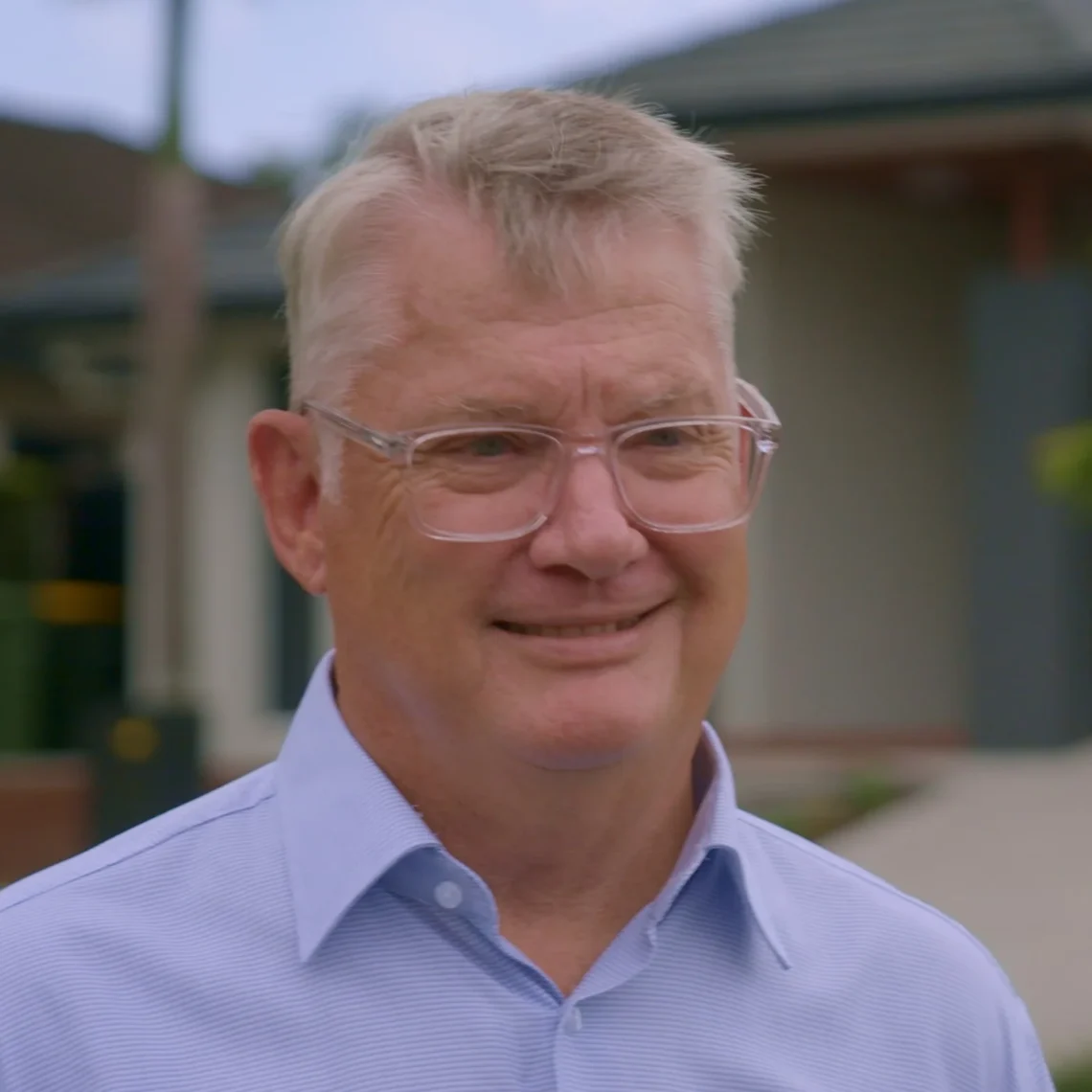
Guy Gibson
Guy Gibson, is one of the state’s most experienced master‑planned community developers. Across more than 30 major projects including Springfield, Yarrabilba and North Lakes, he has helped shape how new suburbs are planned, built and sustained, championing housing diversity, strong town centres, walkability, green space and long‑term community life.
“I think it’s still alive in the sense that it’s still a dream. People believe in it, and I think we need to respect that people have a legitimate right to aspire to owning a home of their own. It’s not something that should be denied a whole generation simply because we’ve mismanaged the policy and financial settings. We need to look at ways of how we can restore that dream to young home buyers.”
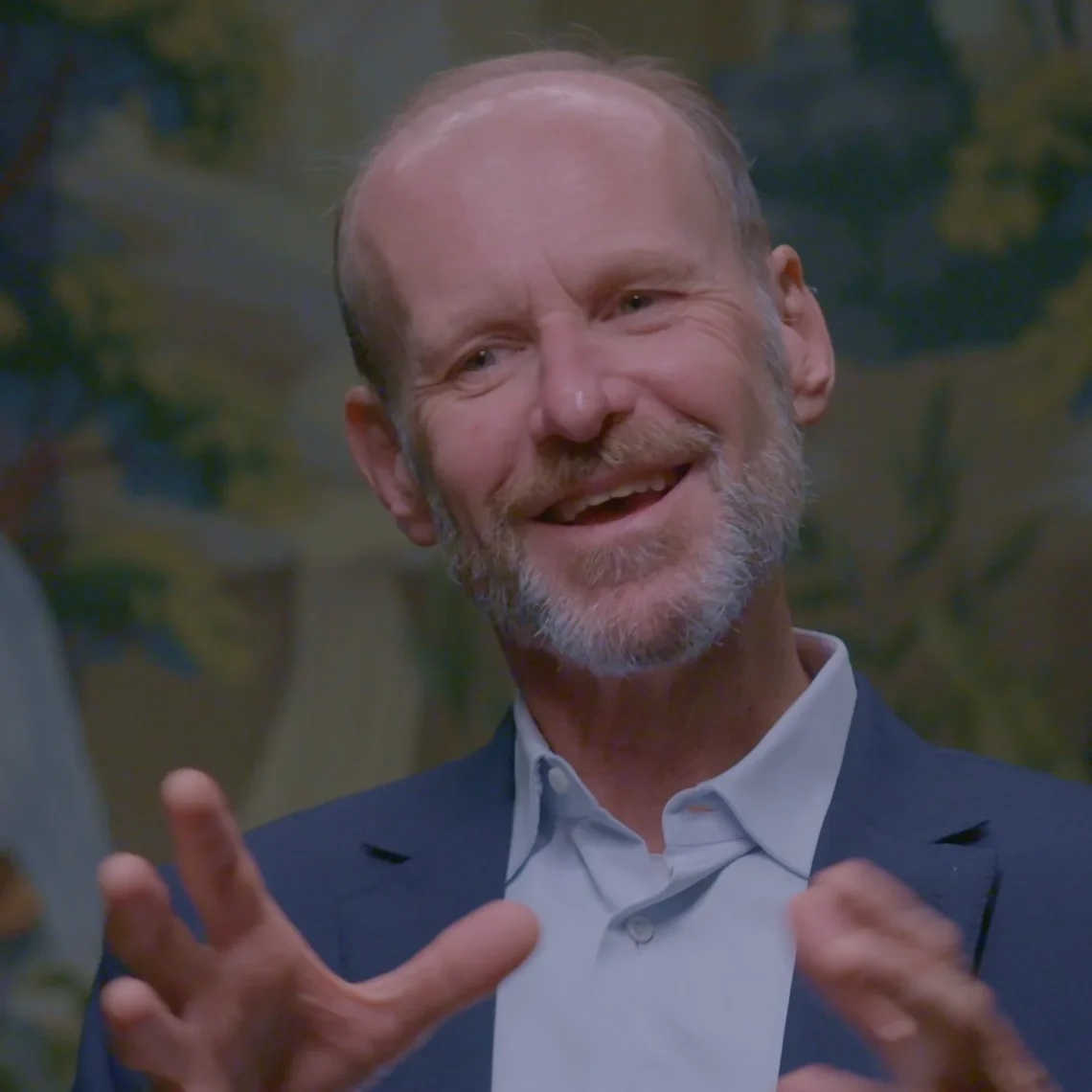
Shayne Elliott
Shayne Elliott, former CEO of ANZ (2016–2024), is a prominent voice on Australia’s housing and credit landscape. With more than three decades in global finance, he has been a leading commentator on affordability, regulation and the structural forces reshaping the Great Australian Dream.
“There probably won’t be that Great Australian Dream in 20 to 30 years, because at the moment we’re already getting to that breaking point where lots of young people have opted out and basically think, ‘I’ll never own a home.’ And then you start to think about what are the social implications of that? Obviously there’s issues about housing and all that other stuff, and that’s really important. But just think about social cohesion, when lots of young people say, ‘Hey, I don’t believe in the system anymore.’”
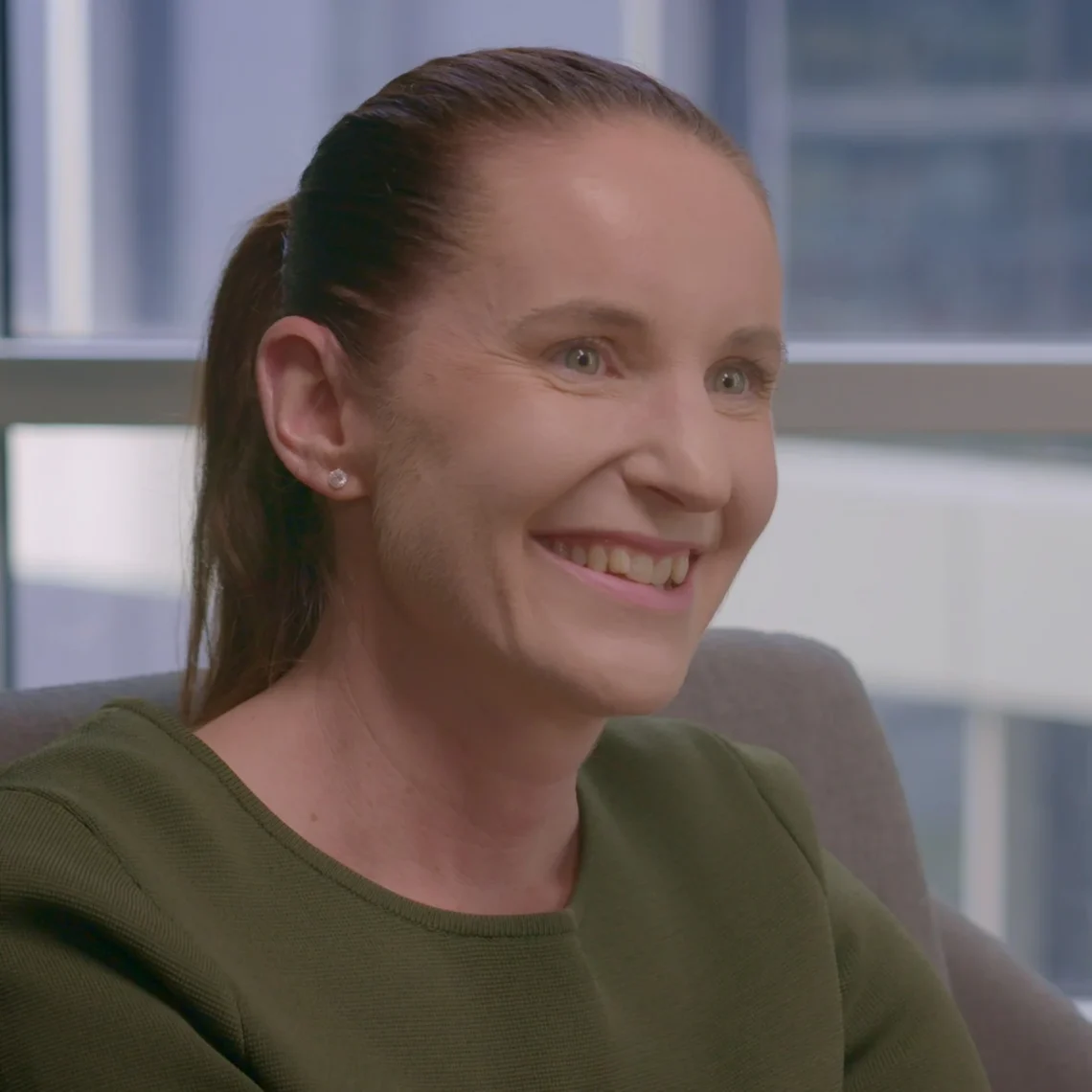
Kirsty Chessher-Brown
Kirsty Chessher-Brown leads the state’s peak body for urban development and housing policy. Working across industry and government she advocates for planning reform, diverse housing supply and well‑designed communities that keep home ownership within reach.
“I think we can find a pathway back. And that pathway starts with more supply and looking at all of these things that are holding back delivery. It doesn’t matter what type of supply it is, whether it’s apartments, townhouses, terraces, duplexes, detached houses, we need more of everything right now…Not everybody wants to live in the same type of home in the same location, thank goodness. So how do we have that smorgasbord of options for buyers at a price that they can afford in a location that they want to live in?”
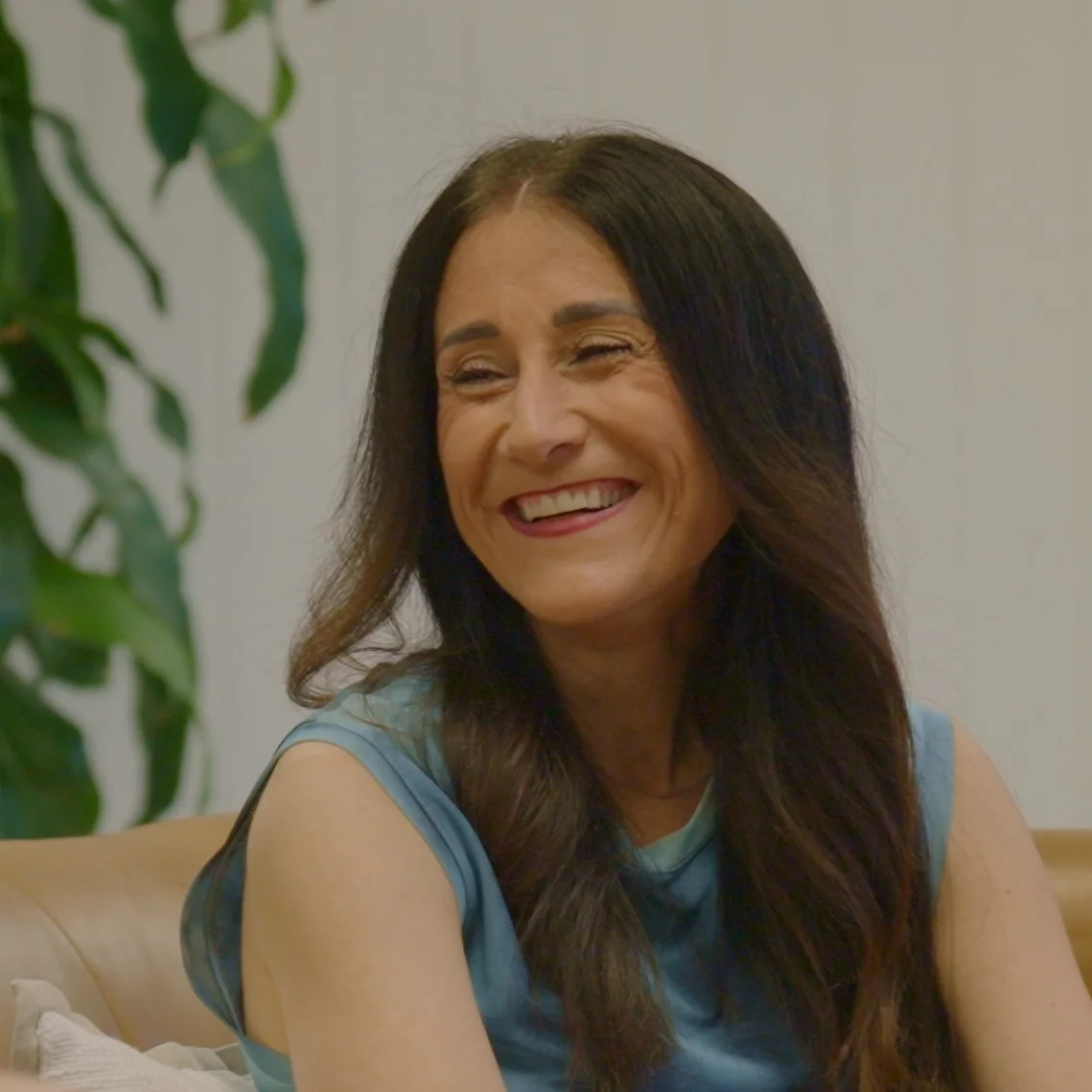
Antonia Mercorella
Antonia Mercorella Leads the Real Estate Institute of Queensland and is a leading voice on housing policy, market reform and consumer rights. She provides insight into the forces shaping affordability and the changing expectations of Queenslanders pursuing home ownership.
“What we’re seeing is that there is a sense that for many that great Australian dream now is out of reach. There’s a particular age demographic that are feeling like it’s now not the great Australian dream, but rather the nightmare, because they feel like they are simply shut out.”
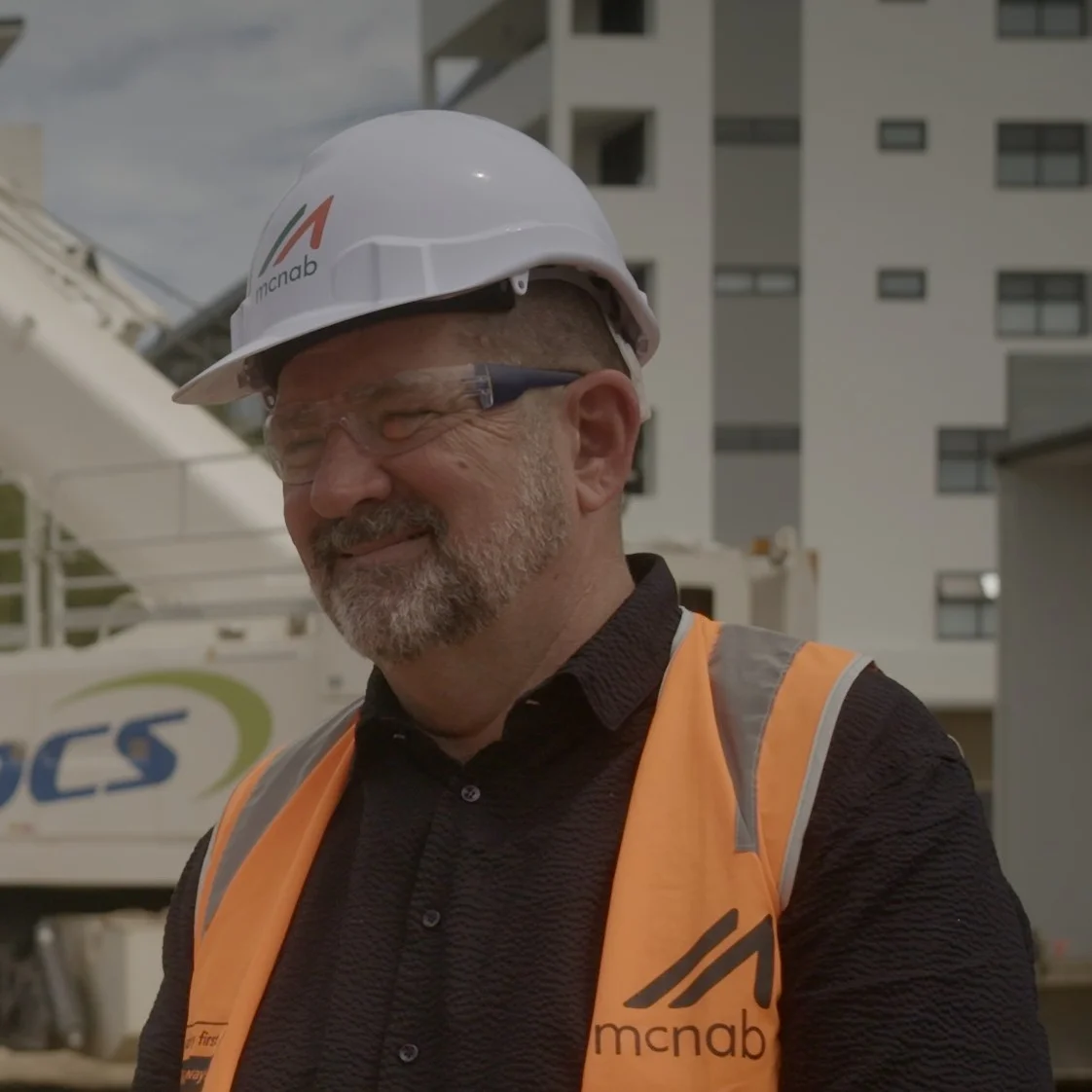
Michael McNab
As the founder and Managing Director of one of Queensland’s leading construction and development companies, Michael McNab has more than 30 years shaping communities across the state. He brings grounded insight into housing affordability, supply challenges and the constantly evolving nature of housing.
“Most of the new apartment projects in Brisbane are well out of reach of the new first home buyer…As an industry, with all three tiers of government, we’ve got to do better than this.”
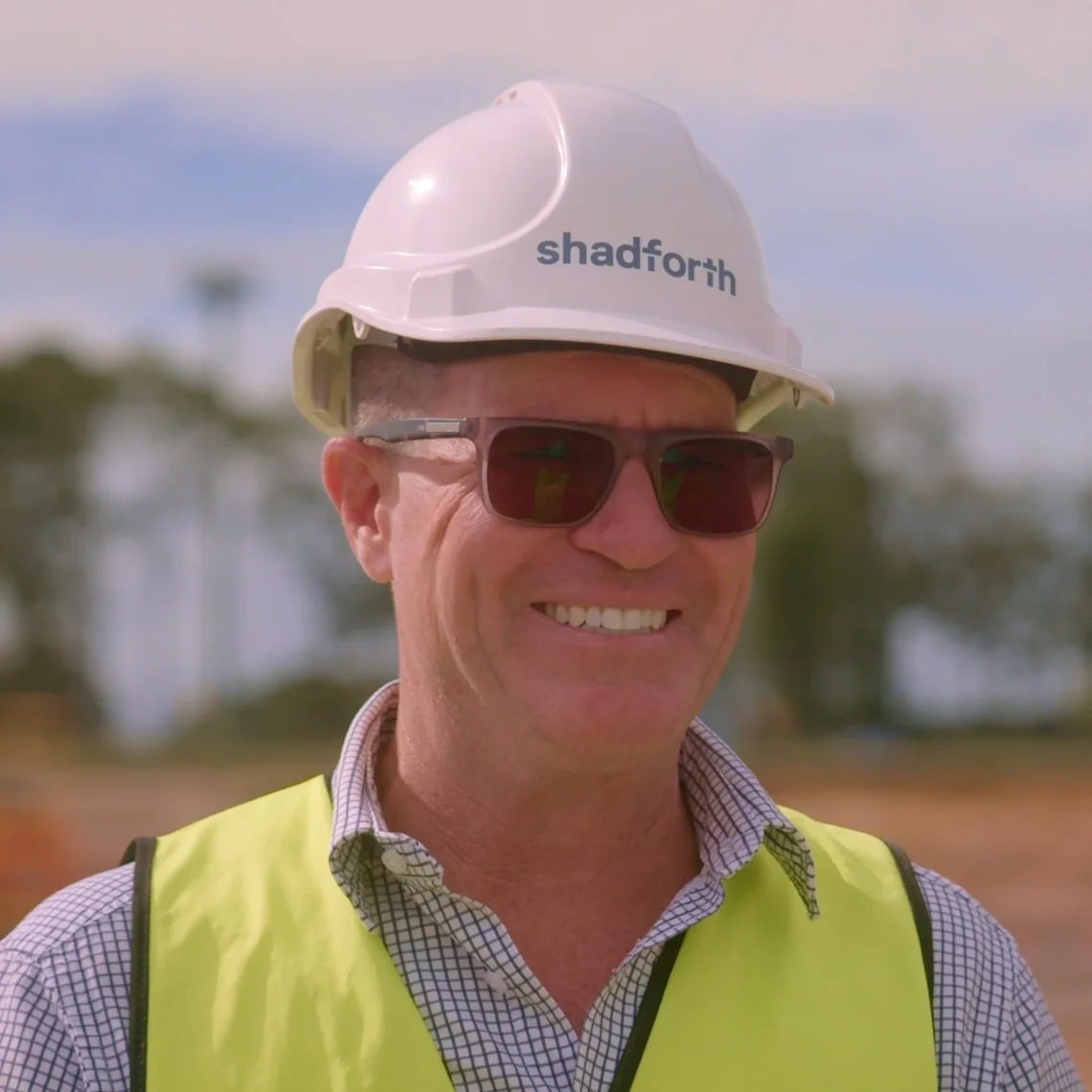
Ray Shadforth
As the CEO of one of Queensland’s largest civil construction companies, Ray Shadforth has decades of experience delivering major residential and infrastructure projects, he has seen firsthand how planning pressures, supply constraints and rising construction costs shape affordability.
“The land that we’re producing comes at a cost infrastructure wise. So the further you go, the more the cost… If we can get that density up a little bit, it spreads that cost across things like external infrastructure
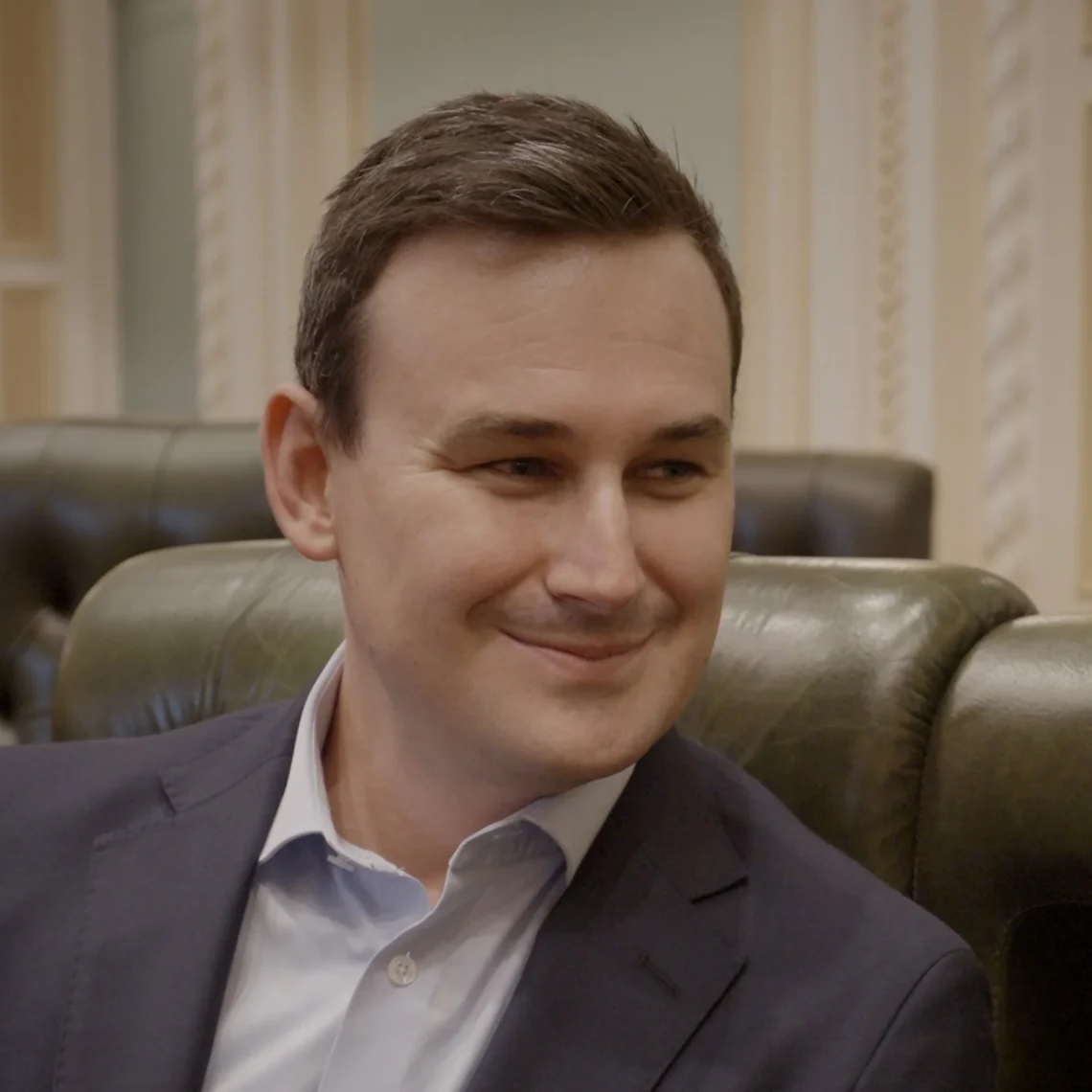
Honourable Sam O’Connor MP
As the youngest member of Cabinet, The Honourable Sam O’Connor MP brings a generational perspective to a system he acknowledges is tougher than ever for first home buyers. He oversees major reforms in housing supply, shared‑equity support and construction productivity, driven by a belief that every Queenslander who wants to own a home should have a fair chance to achieve it.
“The dream is slipping away for too many young Queenslanders. Home ownership is pretty fundamental. It’s the foundation of our communities, it’s the foundation of having a family and raising kids. If people choose that aspiration, they should be able to achieve it. We’re working across the system to make sure that if you aspire to home ownership, you can achieve that dream in Queensland.”
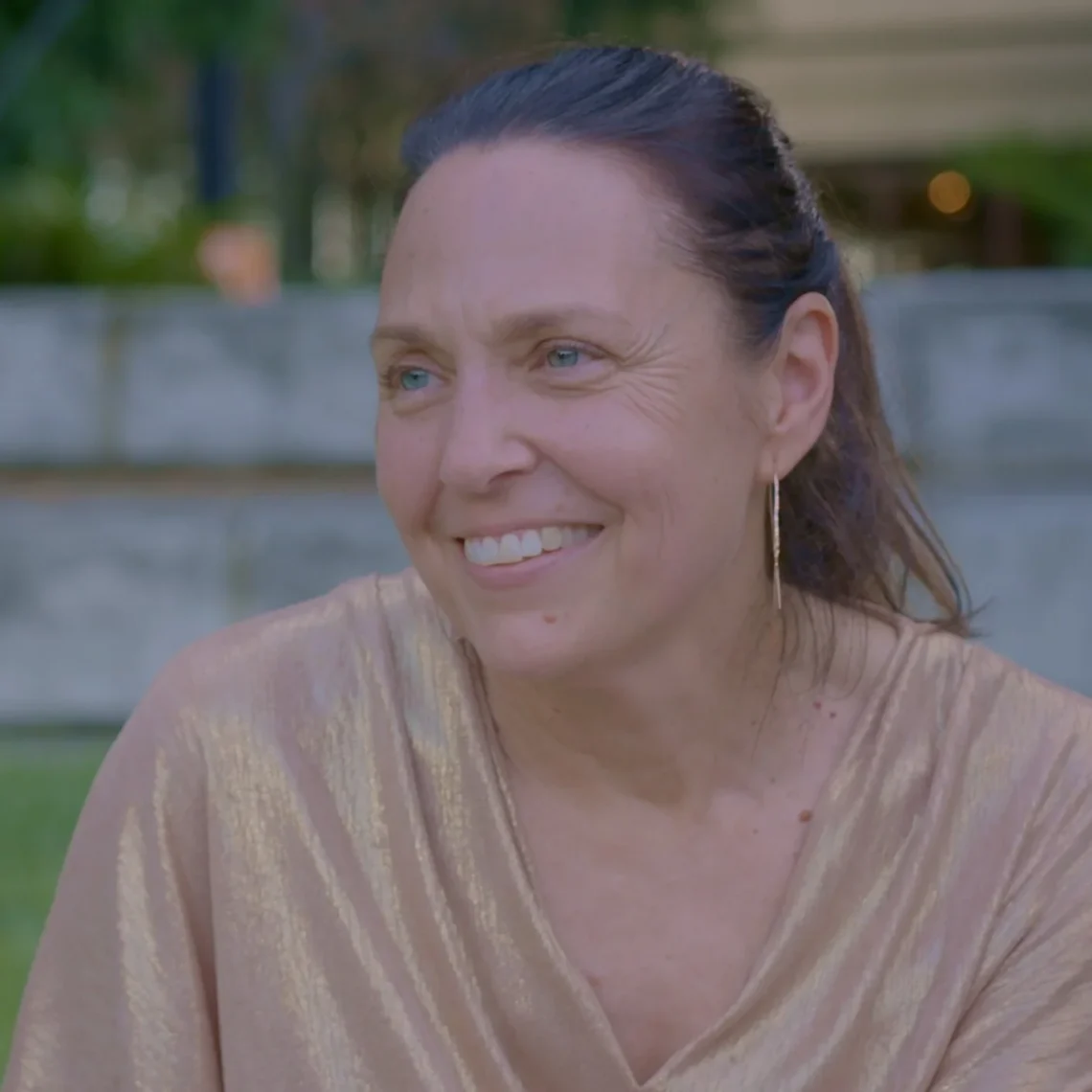
Natalie Rayment
Natalie Rayment is an urban planner who works to shift public perceptions around density, design and the diverse housing types needed for more inclusive and affordable communities.
“We have too many planning and housing policies that say everything needs to look the same. I think it’s time our community realize we are a lot more diverse than maybe we used to be…I feel like it’s the Great Australian Dream version two. We’re not the same community that we were 100 years ago. I don’t want the same things I even wanted 10 years ago. So let’s reinvent it.”

Brent O’Neill
Brent O’Neill is an urban designer focused on creating connected, people‑centred neighbourhoods. With a focus on housing diversity, public realm design and master‑planned communities, he champions modern, flexible living beyond outdated suburban models.
“We can’t just keep, delivering the 1950s model when we’re not a 1950s community. We really need to start to think about how we integrate open space in with the housing so that people always have a feeling of connection to that open space and a sense of belonging.”

Ross Elliott
Ross Elliott is an urban policy strategist and writer with decades of experience across property, planning and economic development, he argues the Great Australian Dream depends on mixed‑use communities where people can live and work locally.
“You can’t fix the business as usual problems if you apply business as usual solutions. I see a future where even fewer jobs are going to be concentrated in the inner city. We need to now think much more seriously about how we create amenable places in the suburbs, because people are going to be spending more time in the suburbs living and working and playing.”

John Collins AM
John Collins AM champions the cultural and economic power of precincts. Drawing on decades of experience as a venue owner and advocate for live music, Collins works to create more vibrant, diverse and people‑centred suburbs across the state. His focus is on strengthening local nightlife, supporting creative industries, and shaping neighbourhoods where culture, community and small business can thrive.
“I think the younger generation are more in tune with what’s going on outside the house. They want to be connected to cafes and the nightlife as well. It’s about creating public spaces for young people to access, having an area where you could have a night market or a cultural festival or just a place to hang. Successful precincts, successful suburbs have pockets where restaurants, cafes become a thing… enabling connection with people and connection with your neighbours.”
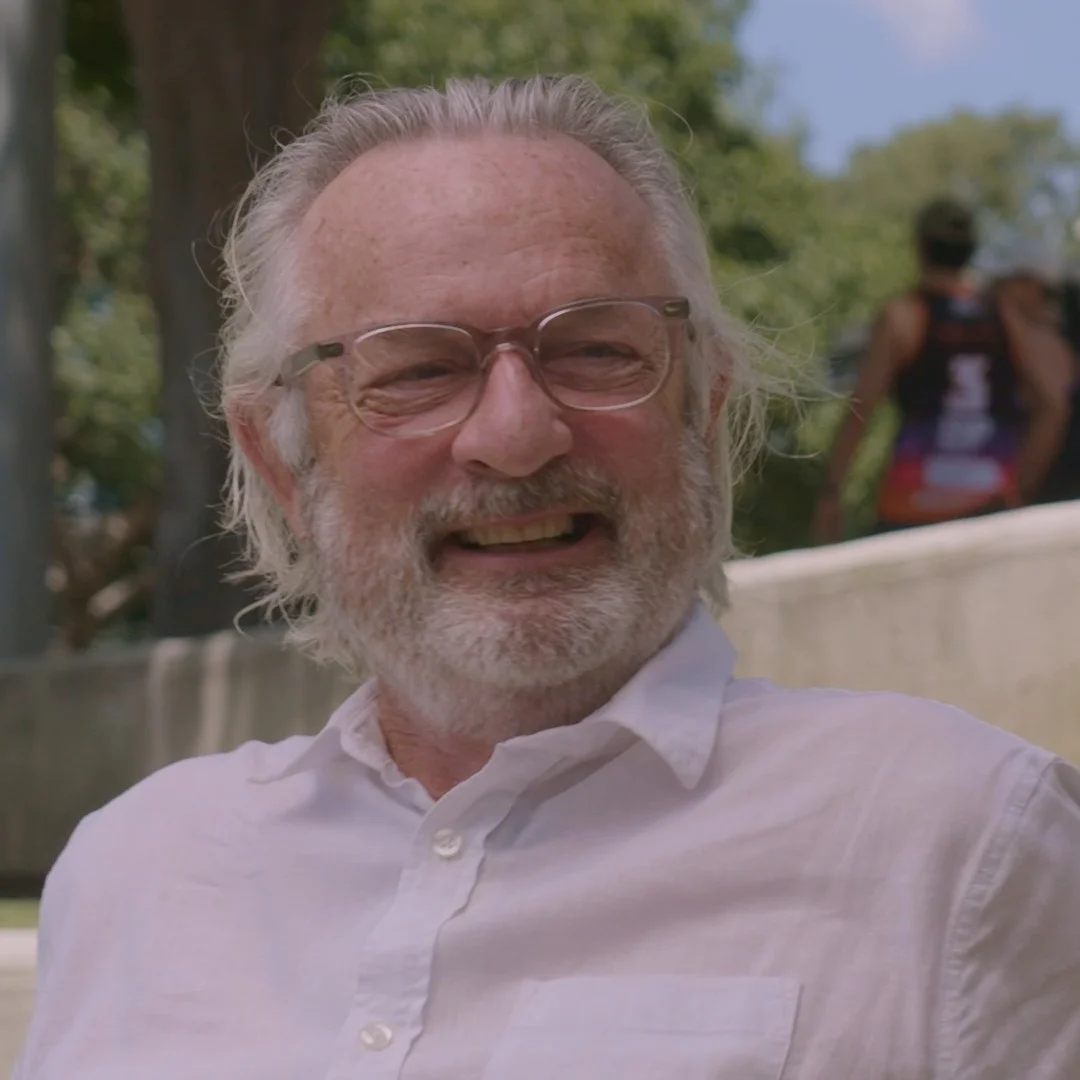
Mark Fuller
Mark Fuller is a landscape architect whose work has shaped some of Queensland’s most iconic public spaces, including South Bank Parklands, Roma Street Parklands and the Southport Spit Parklands. His career centres on creating open spaces and green networks that foster community life, wellbeing and connection, underpinning vibrant neighbourhoods.
“So I think it’s important to look at where you think you’re living and ask yourself, can it grow? Can it evolve? So it’s not just a piece of land with a house on it. It’s a community that grows, or it’s a garden, or it’s a landscape. They’re the kind of key words to me, evolution and growth”

Caroline Stalker
Caroline Stalker is an award‑winning architect and urban designer. With decades shaping major public places and neighbourhoods, she brings deep insight into how design, density and community influence liveability. Caroline argues that a more open‑minded approach to housing design is essential.
“Terrace houses provide affordable housing at a really good density, but people can have backyards and gardens as well…This is just a good example of how we can learn from the past to make the better, more affordable cities and housing of the future.”
Behind the Scenes
Meet the team
The film is just one part of a large-scale research and community engagement project involving dozens of great people and organisations. Here’s just a few you should know:
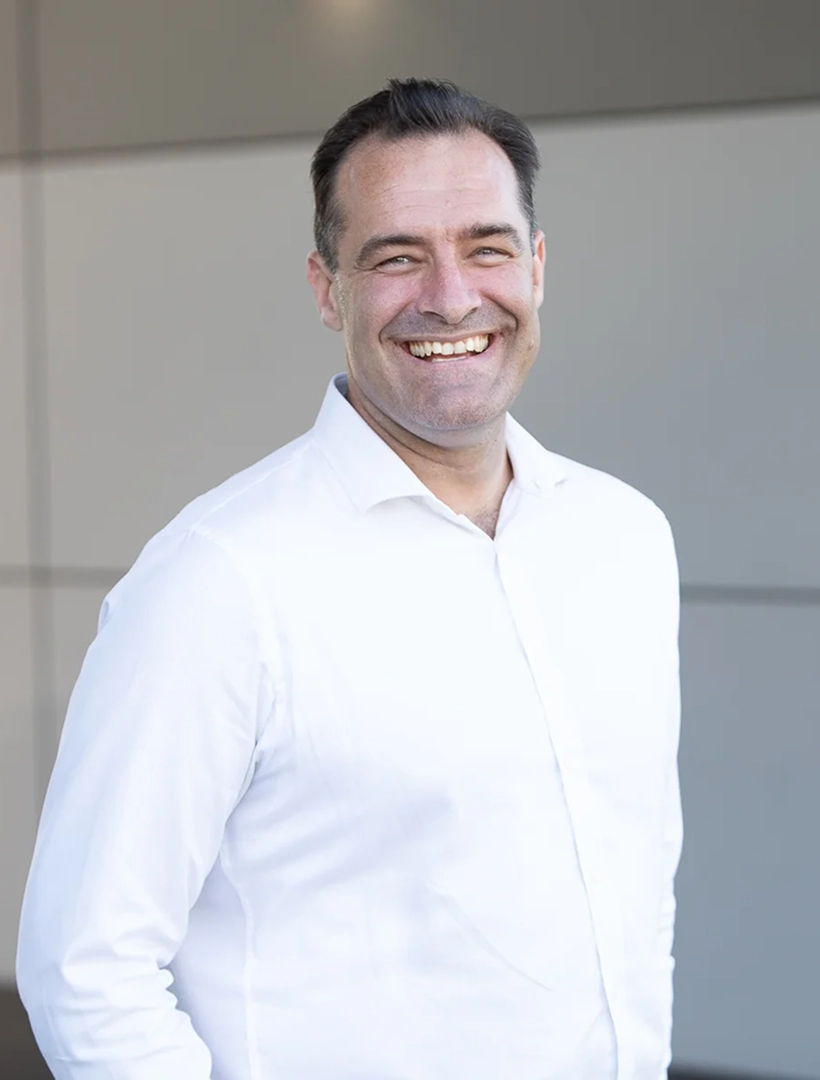
Vaughn Bowden
Executive Producer & Project Director, Dennis Family Corporation
Vaughn Bowden is a property development specialist shaping residential communities across Australia. Vaughn leads the planning, design and delivery of the Rose Creek Master Planned Community at Elimbah, Queensland, for the Dennis Family Corporation. In this role, he’s driving the long‑term vision and bringing it to life with a clear focus on delivering a high‑quality community that responds to Australia’s evolving housing needs and lifestyle preferences.
As Executive Producer of the Reimagining the Great Australian Dream documentary, Vaughn led the concept development and helped bring the project to life, exploring how we can create better homes, neighbourhoods and communities now and into the future.
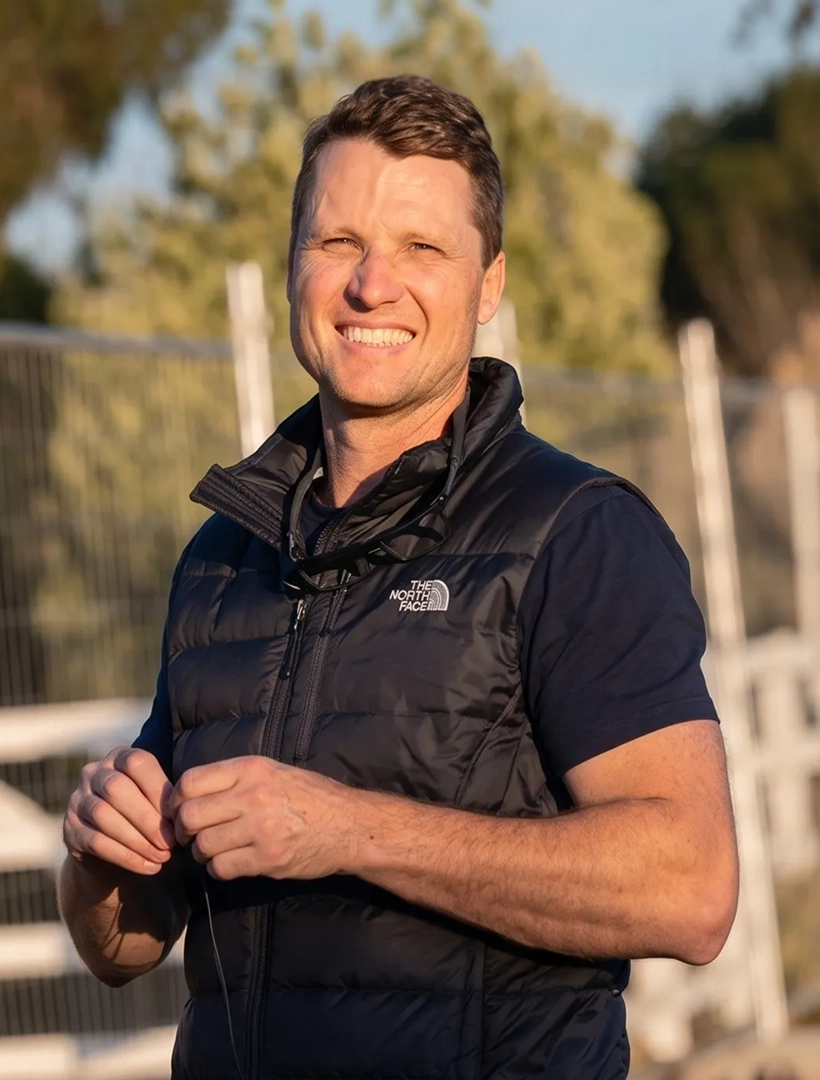
Ben King
Documentary Director, Oxigeno
Ben King, founder of Oxigeno, is a Sunshine Coast–based director of photography, producer, and filmmaker working across leading global platforms including Netflix, Stan, Amazon Prime, BBC2, CNN Films, National Geographic, and national broadcasters.
His credits include contributions to award‑winning productions such as Chasing Coral (Netflix – Sundance Award winner and Academy Award–shortlisted) and Race for the Vaccine (BBC2, CNN Films & SBS- nominated at the Royal Television Society Awards). From coral reefs to remote communities, Ben brings a cinematic, human‑centred lens to Reimagining the Australian Dream.
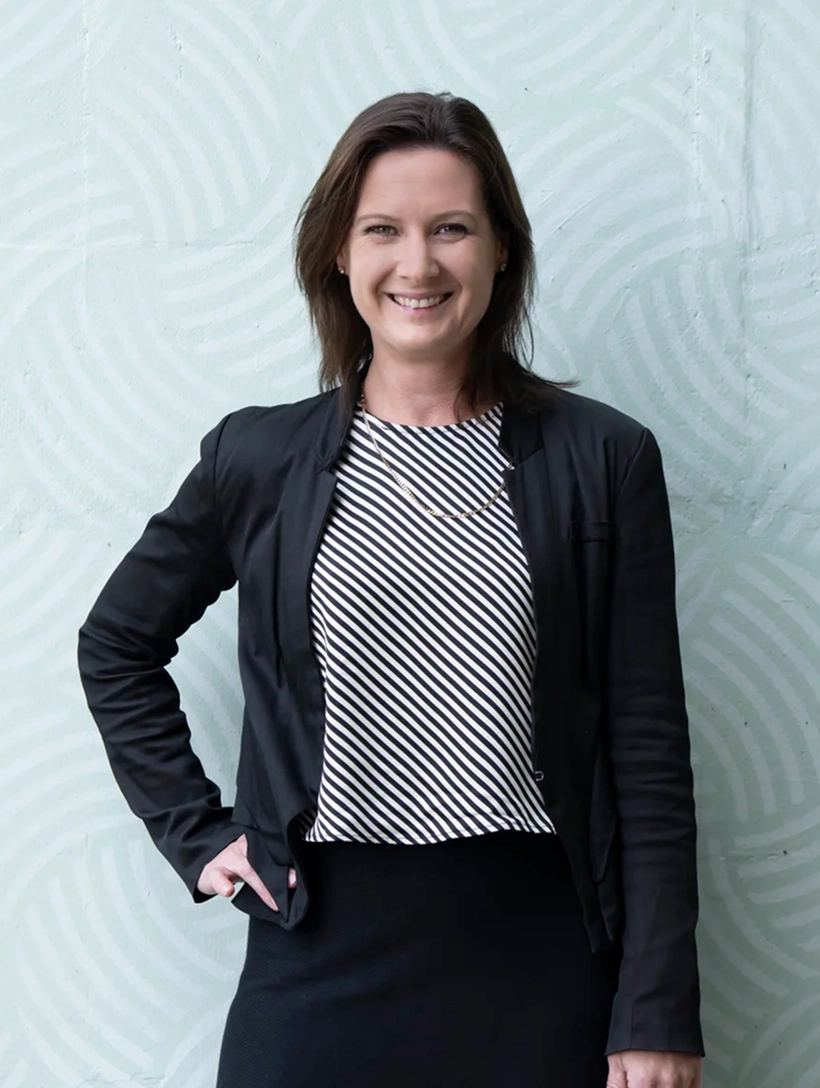
Brooke Williams
Research Lead and Placemaking, Fourfold Studio
Brooke Williams is the founder of Fourfold Studio and a recognised leader in placemaking. She blends strategic clarity with practical, on‑the‑ground insight to shape people‑centred, economically resilient places. Brooke works closely with local communities, using research, lived experience and real‑time feedback to guide design and decision‑making. Her work examines how people live, connect and grow, championing places built around what communities genuinely need to thrive.
Brooke leads the Reimagining the Great Australian Dream research project, bringing deep community and placemaking expertise to ensure the work reflects real human needs. Her insights help clarify how to create places where people feel connected, supported and a strong sense of belonging.
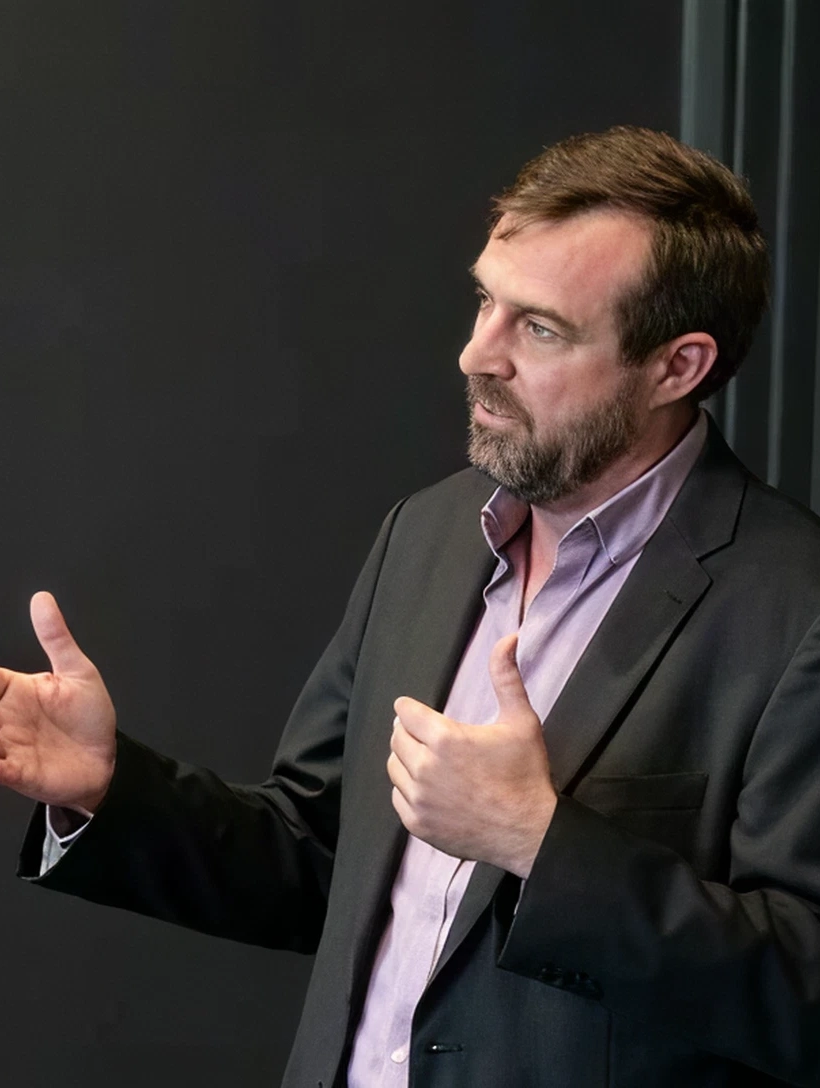
Matt Gross
Property Economist and Demographer, The National Property Research Co
Matt Gross is a property economist, demographer and sociologist with more than three decades of experience interpreting Australia’s housing market. He looks beyond the numbers to identify the forces shaping demand, affordability and how people choose to live. His work connects data to real‑world outcomes, offering practical insight into how housing and communities must evolve with shifting lifestyles, economic conditions and demographic change. Matt has advised on nationally significant projects and serves as a business liaison to the Reserve Bank of Australia, providing grounded market intelligence.
Matt leads the economics and demographic components of the Reimagining the Great Australian Dream research project, grounding the work in evidence and bringing deeper insight into the forces shaping Australia’s homes, neighbourhoods and communities.
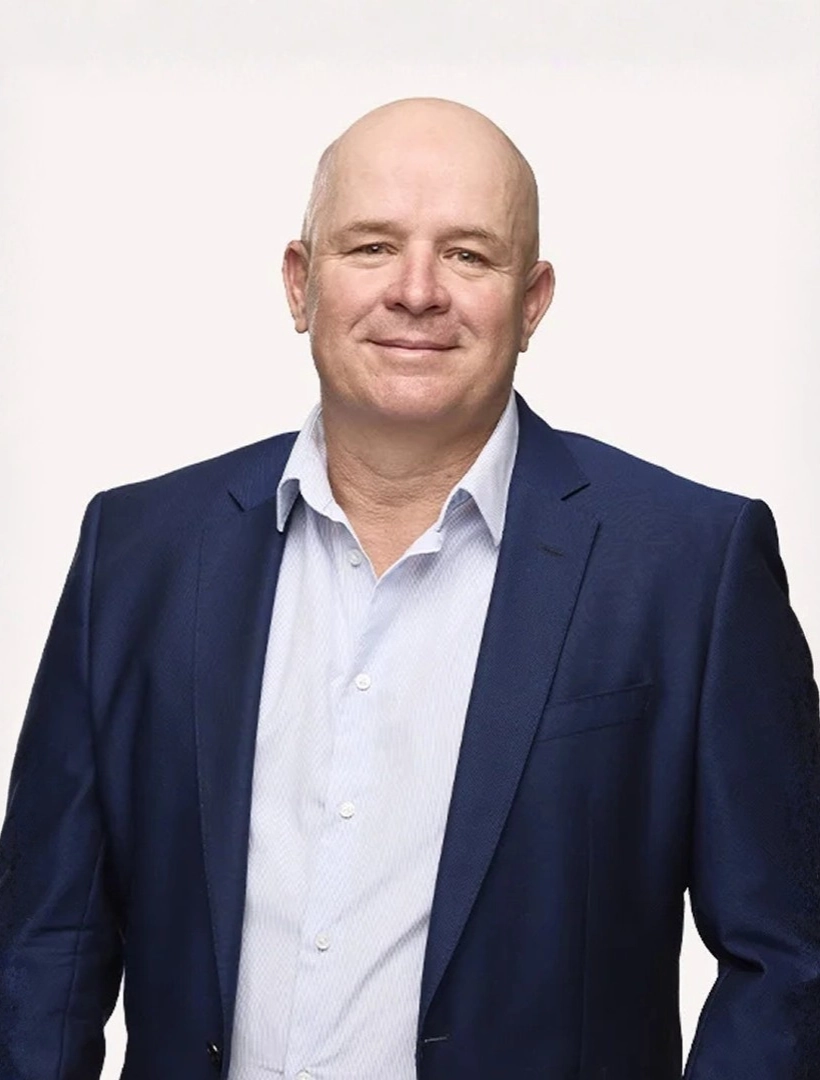
Brent O’Neill
Urban Designer, Director, Therefor Group
Brent O’Neill is an urban designer and Director of Strategy & Place at Therefor Group, creating people‑focused neighbourhoods and communities based on fundamentals of how people live, move and connect. Brent champions housing diversity, well‑designed public spaces and master planned communities that move beyond traditional suburban models. Known for his strategic clarity and collaborative approach, he brings a sharp, human‑centred lens to shaping places that are authentic, resilient and suited to modern life.
Brent leads the design stream of the Reimagining the Great Australian Dream research project, bringing together urban design, architecture and landscape expertise to explore how the built environment shapes the way we live and our overall quality of life.
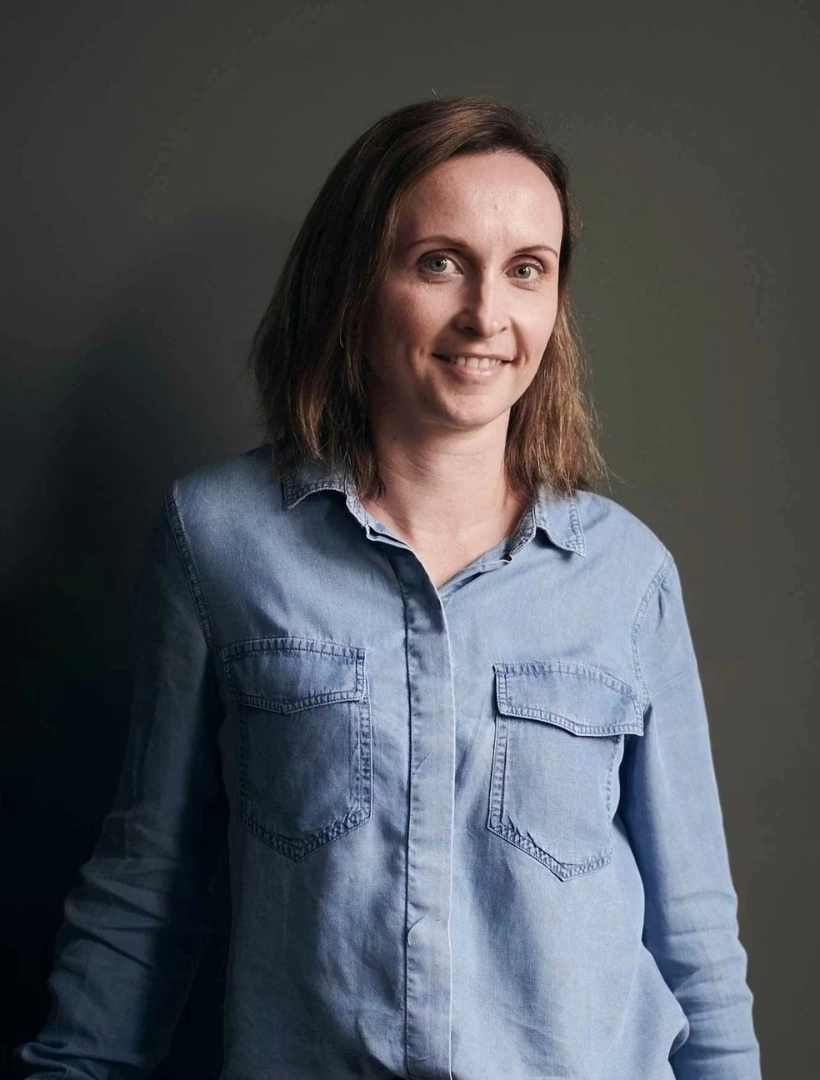
Katherine English
Landscape Architect, Aspect Studios
Katherine English is a Landscape Architect and Studio Director at ASPECT Studios’ Brisbane practice, recognised for her work shaping people‑centred environments across urban and community settings. She views landscape as essential social infrastructure that supports wellbeing, connection and everyday use. Katherine’s design approach balances functionality, clarity and cultural context, ensuring landscapes respond to how people live, move and gather. She is committed to delivering places that are practical, robust and grounded in local identity.
Katherine contributes landscape architectural input to the Reimagining the Great Australian Dream research project. Her work reinforces the role of open spaces, parks and landscape in creating highly liveable streets, neighbourhoods and communities with strong identity and high levels of amenity.
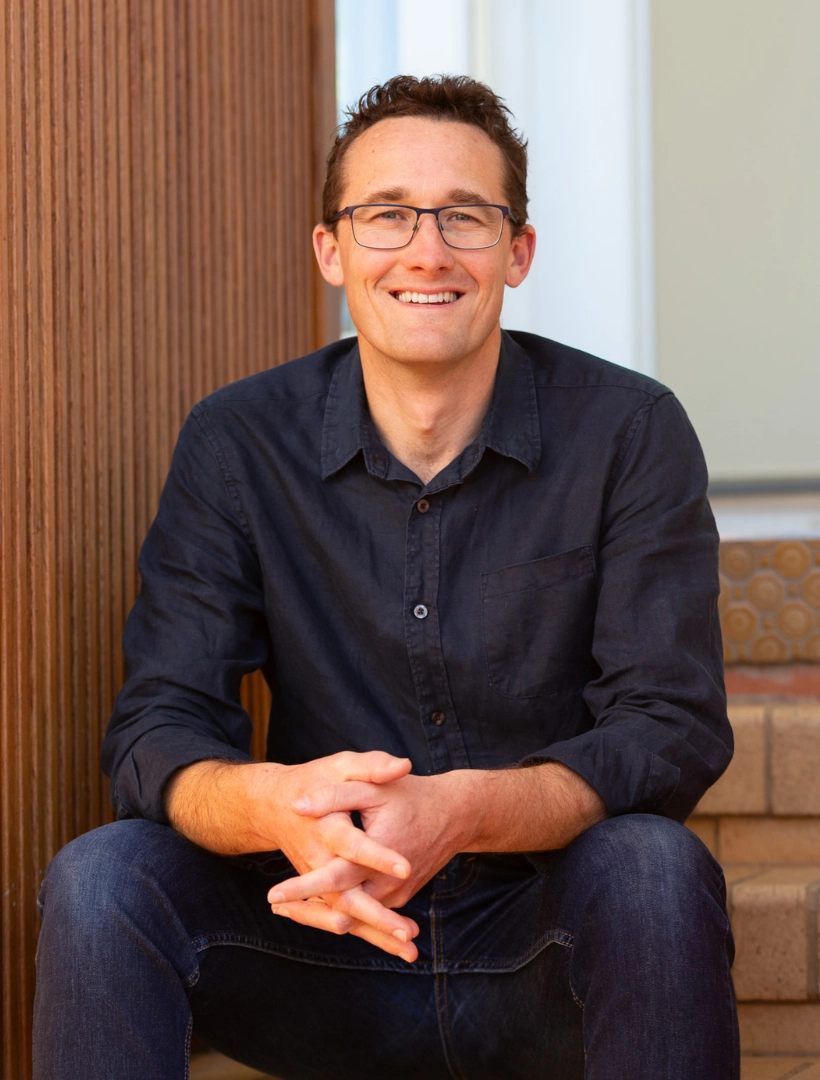
Graham Nottle
Architect, Graham Nottle Architects
Throughout his career Graham has delivered residential communities, homes and significant civic and public‑realm projects. He has also contributed to a range of multi‑residential and medium‑density housing projects, including townhouse, terrace and apartment typologies within larger neighbourhood and precinct frameworks. Graham’s work is defined by a clear, context‑driven approach that integrates planning, architecture and landscape to create functional, durable and well‑resolved built environments.
Graham provides architectural input to the Reimagining the Great Australian Dream research project, ensuring built form supports housing diversity and responds to changing needs and preferences, highlighting the role of architecture in shaping highly liveable streets, neighbourhoods and communities.

About Dennis Family Corporation
Creating Communities where families can Grow and Prosper
The Dennis Family Corporation (DFC) is a privately owned Australian property developer with a proud heritage dating back to 1960. Founded by Bert Dennis, the business has grown over six decades to be a leading residential and commercial developer across Victoria and South East Queensland.
At the heart of DFC is a belief that home ownership is fundamental to stability, opportunity, and a sense of belonging. Our purpose, creating communities where families can grow and prosper, and values guide every project we deliver.
Reimagining the Great Australian Dream recognises that Australians’ aspiration to own their own home remains strong, while the way people live, work and connect continues to evolve. As part of this shift, we’ve asked the community to contribute to the design and planning of future masterplanned residential developments.
This documentary is just one way we’re exploring, learning and possibly redefining what the Great Australian Dream can be for future generations.
The outcomes will help shape communities the Dennis Family Corporation create now and into the future.